



Industries in the metalworking sector need to identify their strengths and weaknesses in order to boost their production line and apply improvements.
Not every manager knows how to run this analysis, which directly impacts results. But there is a way to simplify this assessment: with the VRIO framework.
The VRIO framework is a methodology that sets analysis parameters for internal resources, helping the company identify its weaknesses or advantages. To learn how the method can benefit the metalworking industry, keep reading this article!
What is the VRIO framework?
The VRIO framework is a management methodology designed to evaluate the resources that are valuable to an industrial business. This evaluation identifies the company's strengths — whether human, organizational, or physical — and how they position it in the market.
The analysis is based on four parameters: Value, Rarity, Imitability, and Organization.
Once the internal analysis is done, you can determine what sets the business apart and what makes it competitive, as well as identify its weaknesses and points for improvement.
What are the parameters of the VRIO methodology?
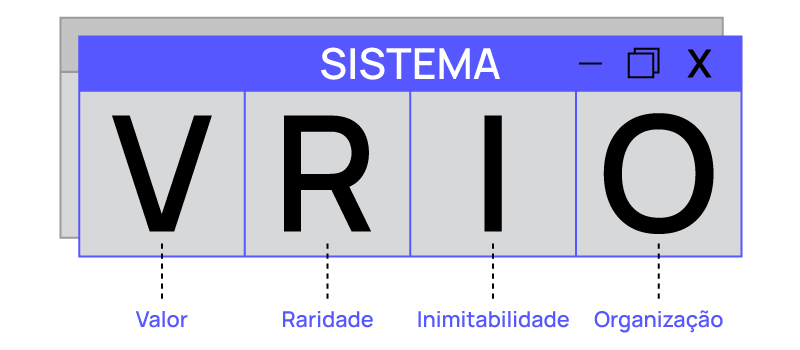
As mentioned, the VRIO methodology is based on four parameters:
1- Value
The first evaluation criterion is value. Here the company needs to assess whether the resource is truly a valuable asset and whether it contributes to the success of the metalworking business. To evaluate the resource, ask questions such as:
"Is this resource beneficial to manufacturing processes?" "Does this resource help the company reduce costs?" "Does this resource deliver significant gains for my business?"
2- Rarity
Rarity concerns how common it is (or is not) to find the resource in the market. For example: a company imported a machine that improves workflow on the factory floor but is still not widely known in Brazil. In this case, it can be classified as a rare resource that the company should value.
3- Inimitability
Inimitability covers everything that cannot be imitated. Unlike rare resources, these resources cannot be copied.
Generally, resources that are expensive, hard to reproduce, or protected by patents fit this criterion. For example, if a company develops and patents a piece of equipment that speeds up the assembly of automotive parts, that is an inimitable resource.
4- Organization
Organization refers to the company's ability to use and manage resources correctly, extracting maximum value from each one. This parameter depends heavily on the business's internal activities and on process and team management. If everything is not aligned and organized, it will be very difficult for the company to extract the maximum value from its resources.
READ MORE | Data-based decisions: a data-driven view of the market
How to evaluate the answers from the VRIO method

How will the company identify which resources truly matter to its success? By evaluating the answers from the VRIO method. When the answer to the following questions is "yes," it is a strong indicator that the resource contributes to the success of the metalworking business; otherwise:
- Does the resource have value? A negative answer indicates a disadvantage compared to competitors;
- Is the resource rare? If the answer is negative, it means the company is on par with its competitors;
- Is the resource hard to imitate? A negative answer indicates a temporary advantage — after all, it is only a matter of time before the resource is copied;
- Is the company prepared to make full use of the resource? If the answer is no, a plan must be drawn up to improve the organization of the business.
Advantages of the VRIO framework for the metalworking industry
When applied correctly, the VRIO method delivers a series of benefits to the metalworking industry. The main ones are:
- Improves the evaluation of ideas: managers can see whether ideas generate value for the market and for customers even before implementing them on the production line;
- Optimizes strategic decision-making: the method highlights which resources hold more or less value in the business, allowing managers to identify those that need incentives or require improvement;
- Fosters innovation in the sector: it becomes possible to see the most important assets for the business and invest in them, whether people, machines and equipment, or work techniques;
- More organization around competitive advantages: there is no point in having valuable resources if the company lacks the internal structure to use them to their full potential.
The metalworking industry needs constant improvement to stay competitive in the market. Applying the VRIO methodology is a practical, functional option for improving company management, with the power to boost the metals sector.
Enjoyed the content? Keep reading the Useall blog and stay on top of management topics!
Originally published in Portuguese at useall.com.br.