


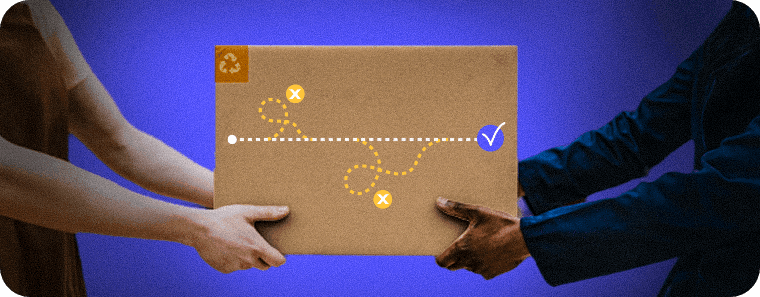
Want to reduce transportation costs and improve deliveries? Your distributor needs to invest in route optimization!
Anyone working in the distribution sector knows that transportation is one of the stages that generates the most costs for the company. There is the matter of fuel – which can be expensive if the merchandise's destination is very far away –, tolls, vehicle wear and tear, labor, among other factors.
This means that, without proper planning for this stage of the service, the profit – which would be earned from the delivery operation – can simply "disappear."
One way to keep costs from getting out of control is through route optimization, a logistics strategy that consists of analyzing and defining the best routes to reduce distances, travel time, and expenses.
Route optimization is not necessarily difficult, but it depends on applying a few specific practices. Today we will look at what they are and how you can put them into action. Read on!
But first, how does route optimization work?
Route optimization works by analyzing elements that directly influence transportation, such as traffic, distance, road conditions, and the costs involved.
Here, we use many technologies such as artificial intelligence, tracking systems, GPS, and smart algorithms to identify the best routes based on data, and also to predict possible setbacks that could compromise deliveries.
Beyond the analysis, we also carry out route planning, where we define the entire logistics flow, considering factors such as peak hours, traffic restrictions, and delivery grouping.
Why does route optimization reduce a distributor's costs?
Route optimization reduces the distributor's costs because, by analyzing each route based on data, it avoids unnecessary trips – usually caused by less strategic route choices – and shortens travel time – which would largely stem from those trips.
Planning, of course, also contributes to cost reduction. After all, by structuring smarter routes, we can reduce the mileage driven, optimize fleet usage, minimize maintenance costs, and even reduce the need for additional drivers.
How to optimize routes: a step-by-step guide
"I understand that route optimization will help me. Now, how can I apply it in my distributor?"
Here is the step by step:

Use routing tools
Using software designed specifically for route planning will allow you to perform a more precise analysis of routes, and also help you avoid longer paths or those that tend to carry a higher risk of congestion.
These systems can also be used to automate part of the routing process, which helps reduce manual errors, improve response time to unforeseen events, and increase team efficiency.

Group deliveries into strategic zones
Grouping deliveries by region is a practice that consists of organizing orders according to geographic proximity. This method allows drivers to cover shorter distances, such as deliveries within the same neighborhood or industrial district, completing more deliveries in a single trip.
The result? We save both time and fuel.
It is also worth remembering that grouping deliveries will improve our logistics organization and reduce fleet idleness – that is, keep vehicles from running empty or with little cargo.

Consider restrictions and external variables
When planning routes, it is important to also take into account factors such as peak hours, traffic restrictions on certain roads, and road conditions. External events such as construction work, weather, and local attractions, like large fairs and demonstrations, can also impact travel time, so we need to stay alert and review routes frequently.
Oh, and one more thing: many urban centers restrict heavy vehicle traffic at certain times. So, to avoid fines or delays, it is also important to check local regulations and adjust routes to comply with these rules.

Monitor and adjust routes
Let's say you did an excellent job optimizing your routes – but the work does not end there. Like any logistics procedure, it may also require adjustments and improvements over time.
That is why, to make sure your transportation operation is always at 100%, you should monitor all routes frequently so you can identify flaws in the planning and make adjustments.
Points that should be analyzed:
Changes to routes;
Schedule revisions;
Updates to transportation regulations;
Driver feedback on the work and the condition of the routes;
What else does the distributor gain by optimizing routes?
If cost reduction is not a decisive enough factor for the distributor to invest in route optimization, it can consider other benefits arising from this same strategy.
Customer satisfaction, for example, is one of them. By ensuring faster and more predictable deliveries, the company can reduce delays and offer a more reliable service – something that directly reflects on the brand experience and customer loyalty.
Another advantage: improved logistics. It is possible to optimize fleet usage by avoiding unnecessary trips. Beyond that, there is also the matter of sustainability, which can be strengthened with just a few adjustments to route planning.
Every distributor that wants to reduce costs and improve its deliveries needs to invest in route optimization. How about a system that helps you guarantee exactly that? Request a free demo of Useall software or learn more!

Originally published in Portuguese at useall.com.br.